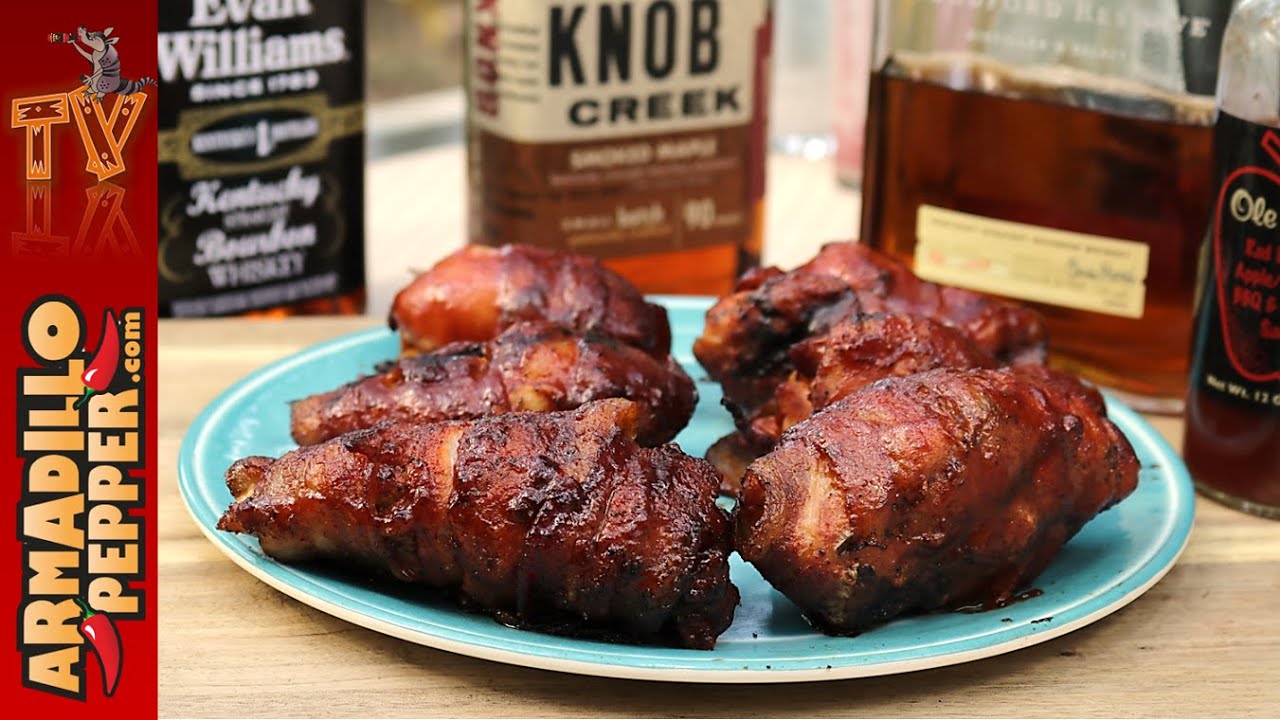
Unlock the secret to flawlessly juicy meat and irresistibly crispy skin with our definitive guide to smoked chicken thighs. Forget rubbery skin and dry chicken – our expert-designed two-stage cooking method will transform you into a true pitmaster, delivering results that rival any professional smokehouse. Get ready to impress your family and friends with simple smoked chicken thighs that are nothing short of spectacular, every single time.
The Unbeatable Choice: Bone-In, Skin-On Chicken Thighs
While many cuts of chicken can be smoked, bone-in, skin-on chicken thighs stand out as the undisputed champion for their unparalleled flavor, texture, and resilience. This often overlooked cut is a barbecue enthusiast's dream, offering a forgiving canvas that's hard to overcook, especially when compared to leaner cuts like chicken breast.
- Bone-In Advantage: The bone contributes significantly to the overall flavor depth of the meat. As the chicken cooks, marrow and collagen slowly release, infusing the meat with a richer, more complex taste that boneless cuts simply can't replicate. It acts as a natural heat conductor, helping the meat cook more evenly and retain moisture.
- Skin-On Perfection: The skin isn't just for aesthetics; it plays a crucial role in achieving that sought-after crispy exterior. During the initial low-temperature smoking phase, the skin acts as a protective barrier, helping the meat retain its precious moisture. Then, in the high-temperature finishing stage, the fat renders out, allowing the skin to crisp up beautifully. It also holds onto seasoning exceptionally well, creating a flavorful crust.
When selecting your chicken thighs, look for ones with intact skin and a good layer of fat. This fat will render down, moistening the meat and contributing to the crispy skin. While boneless, skinless thighs can be smoked, they cook much faster and require more vigilant temperature monitoring to prevent drying out. For the ultimate smoked chicken thigh experience, stick with bone-in, skin-on.
Mastering the Two-Stage Cook for Ultimate Crispy Skin
The secret to juicy smoked chicken thighs with exquisitely crispy skin lies in a powerful technique known as the two-stage cook. This method leverages different temperature zones to achieve distinct culinary goals, ensuring your chicken is smoked to perfection while avoiding the common pitfall of rubbery skin.
Stage One: The Low & Slow Smoke (250°F)
Begin by setting your smoker to a consistent 250°F (121°C). This lower temperature is ideal for several reasons:
- Smoke Absorption: At this temperature, the chicken slowly absorbs the rich, smoky flavors from your chosen wood. The proteins in the meat are receptive to smoke compounds without cooking too rapidly.
- Gentle Cooking: Low and slow cooking allows the chicken to cook evenly and gently, preventing the exterior from drying out before the interior is done. It also gives the connective tissues in the dark meat time to slowly break down, resulting in incredibly tender and succulent meat.
Place your seasoned chicken thighs directly on the grates, ensuring there's enough space for even air and smoke circulation. Bone-in thighs typically take 1.5 to 2 hours in this initial stage. Keep a close eye on the internal temperature, aiming for the thighs to reach approximately 120-130°F (49-54°C) before moving to the next stage.
Stage Two: The High Heat Crisp (375-400°F)
Once your chicken thighs hit the target internal temperature for the first stage, it's time for the magic to happen. Increase your smoker's temperature to a scorching 375-400°F (190-204°C). This high heat surge is critical for:
- Crisping the Skin: The elevated temperature rapidly renders the remaining fat in the skin, causing it to crisp up beautifully. This process is essentially flash-frying the skin in its own fat, creating that delightful crunch we all crave. It also promotes the Maillard reaction, developing those rich, complex flavors and an appealing golden-brown color.
- Finishing the Cook: This higher heat quickly brings the chicken to its final desired internal temperature.
Continue cooking until the internal temperature of the thickest part of the thigh reaches 175-185°F (79-85°C). While chicken is technically safe to eat at 165°F, dark meat like thighs truly benefits from a slightly higher finish. The extra temperature further breaks down collagen and connective tissues, resulting in an even more tender, "fall-off-the-bone" texture. Use a reliable meat thermometer to ensure accuracy – never cook by time alone!
Once done, remove the chicken from the smoker and let it rest for 5-10 minutes. This crucial step allows the juices to redistribute throughout the meat, ensuring every bite is as juicy as possible.
Crafting Your Flavor Profile: Seasoning and Smoke
The beauty of smoked chicken thighs lies not only in the cooking method but also in the layers of flavor you build. A simple yet effective seasoning blend combined with the right wood choice can elevate your chicken from good to absolutely legendary.
The Perfect Dry Rub
A light coating of olive oil (or vegetable/canola oil) prior to seasoning helps the dry rub adhere and promotes a crispier skin. For a foundational dry rub that complements smoked chicken thighs without overpowering them, consider this:
- Salt: Non-negotiable for tenderizing and enhancing flavor. Use coarse salt for better adhesion and controlled seasoning.
- Paprika: This versatile spice offers both color and flavor.
- Plain Paprika: Adds a mild, sweet peppery note and a beautiful reddish hue.
- Hot Paprika: For those who enjoy a subtle kick.
- Smoked Paprika: While delicious, if you're getting plenty of smoke from your wood chips, a plain or hot paprika allows the natural smoke flavor to shine without redundancy.
- Garlic Powder & Onion Powder: Essential aromatics that provide a savory depth.
- Black Pepper: Freshly ground for a pungent kick.
- A Touch of Sweetness (Optional): A pinch of brown sugar or turbinado sugar can help with caramelization and a beautiful crust, but use sparingly if you prefer a purely savory profile.
Mix your chosen spices thoroughly and apply generously, ensuring all surfaces of the chicken are coated. For best results, let the seasoned chicken sit in the refrigerator for at least 30 minutes, or even overnight, to allow the flavors to penetrate the meat.
Wood Pellet/Chip Recommendations
The type of wood you use will significantly impact the final flavor of your smoked chicken thighs. For poultry, milder, fruitier woods are generally preferred as they don't overpower the delicate chicken flavor:
- Cherry Pellets: A perennial favorite for chicken, cherry wood imparts a sweet, subtly fruity smoke. It's known for giving poultry a beautiful mahogany-red color, enhancing its visual appeal.
- Hickory Pellets: For a more classic, robust barbecue flavor, hickory is an excellent choice. It offers a strong, savory smoke that stands up well to dark meat, providing that quintessential smoky taste.
- Apple Pellets: Similar to cherry but often a bit milder, apple wood delivers a sweet and fruity smoke that pairs exceptionally well with poultry, adding a gentle complexity.
- Oak Pellets: A versatile wood that provides a medium, earthy smoke flavor. It's not as assertive as hickory but stronger than fruit woods, offering a balanced profile.
- Hickory-Cherry Combination: Can't decide? Blending woods is a fantastic strategy. A 50/50 mix of hickory and cherry gives you the best of both worlds: a strong, savory base with delicate fruity undertones and that gorgeous reddish hue.
Experimentation is key! Start with these recommendations, but don't hesitate to try different combinations to discover your personal preferred flavor profile.
Pitmaster's Playbook: Tips, Tricks, and Serving Excellence
Achieving pitmaster-level results goes beyond just ingredients and a cooking method. A few crucial tips can make all the difference, transforming a good meal into an unforgettable culinary experience.
- Consistency is Key: Maintain a consistent smoker temperature throughout the entire cook, especially during the initial low-temperature phase. Fluctuations can lead to uneven cooking and impact smoke absorption. Invest in a reliable smoker that holds temperature well, or learn to manage your fire effectively.
- Trust Your Thermometer: A quality meat thermometer is your best friend in barbecue. Don't guess – always verify the internal temperature of your chicken. An instant-read thermometer is perfect for quick checks, while a probe thermometer allows you to monitor progress without opening the smoker too often.
- Don't Crowd the Grates: Ensure there's adequate space between each chicken thigh on the smoker grates. Overcrowding can restrict airflow and smoke circulation, leading to uneven cooking and less effective crisping of the skin.
- Resting Period: This step is often overlooked but vitally important. After removing the chicken from the smoker, let it rest for 5-10 minutes. This allows the muscle fibers to relax and reabsorb the juices that have migrated to the center during cooking, resulting in significantly juicier meat.
Serving Suggestions
Smoked chicken thighs are incredibly versatile and pair beautifully with a wide array of side dishes. For a classic barbecue spread, consider:
- Smoked Mac and Cheese
- Creamy Coleslaw
- Baked Beans
- Corn on the Cob or Grilled Corn Salad
- Fresh Green Salad with a Tangy Vinaigrette
- Garlic Mashed Potatoes or Roasted Sweet Potatoes
No sauce is truly needed with these flavorful, crispy-skinned thighs, but a light drizzle of your favorite barbecue sauce can be a delightful addition for those who love an extra layer of flavor.
Beyond the Plate: Storing and Reheating Your Smoked Delights
One of the best things about making delicious smoked chicken thighs is enjoying the leftovers. Proper storage and reheating ensure that every bite is as good as the first.
- Refrigeration: Allow any leftover smoked chicken thighs to cool completely before placing them in an airtight container. They will keep beautifully in the refrigerator for up to 4 days.
- Freezing: For longer storage, individual chicken thighs can be frozen. Place them in an airtight freezer-safe container or a resealable plastic bag, ensuring as much air as possible is removed to prevent freezer burn. They can be stored for up to 6 months. Thaw frozen chicken thighs overnight in the refrigerator before reheating.
- Reheating: To bring your smoked chicken thighs back to life without sacrificing moisture or crispness, place them in a small baking dish. Cover tightly with foil to lock in moisture, and warm in a preheated oven at 325°F (160°C) for about 20 minutes, or until heated through. For an extra touch of crispness, you can remove the foil for the last 5 minutes of reheating, or even briefly hit them under a broiler (watch closely!).
Mastering smoked chicken thighs with crispy skin is a truly rewarding culinary journey. By understanding the importance of bone-in, skin-on cuts, embracing the two-stage cooking method, and paying attention to seasoning and wood choices, you'll consistently produce succulent, flavorful chicken that will earn you rave reviews. So fire up your smoker, grab your thighs, and get ready to experience the pinnacle of backyard barbecue.
